fiv cat swollen lymph nodes
Their lymph nodes may also become swollen for several days to several weeks signaling that an infection is starting to take place. Some cats will also have a fever diarrhea loss of appetite anemia lethargy and neutropenia in this early stage of FIV.

Cancer In Cats Latest News River Landings Animal Clinic In Bradenton Florida
Generally cats with swollen lymph nodes feel poorly and will likely be lethargic and depressed.
. These issues can range from minor to life-threatening and should be evaluated by a veterinarian. With good care an FIV-positive cat can still live a long and happy life. Lymph node or cat gland swelling may be first detected during a clinical diagnosis of other symptoms exhibited.
The cause of lymph node swelling may be attributed to internal tumors viral infections such as feline immunodeficiency virus or diseases like ehrlichiosis. While a kitten or adolescent shows greater severity senior cats have. In about a quarter of cases of nasal.
It causes acquired immune deficiency syndrome AIDS in cats resembling AIDS caused by the human immunodeficiency virus HIV in humans although FIV cannot transmit to humans. Neurological disease in some cats the virus can affect the brain. After infection with FIV the virus enters the cats bloodstream.
3 Enlarged Lymph Nodes Feline Immunodeficiency Virus is a viral infection and leads to enlarged lymph nodes throughout the body. -Wellness visits for FIV-infected cats should be scheduled with your veterinarian at least every six months. The Initial Stage or the first stage of FIV occurs for 4-6 weeks after the cat catches the virus.
Swollen lymph nodes weight loss poor coat condition pale gums chronic and recurrent infections. At this time the virus is carried to lymph nodes where it reproduces in white blood cells known as T-lymphocytes. A blood test to look for antibodies to FIV can confirm the diagnosis.
There are three phases of infection with FIV - the acute phase the asymptomatic or latent phase and the progressive phase. Feline immunodeficiency virus FIV is an infectious disease that attacks a cats immune system. Causes are as follows.
The acute phase of infection generally occurs 1-3 months after infection. Swollen nodes in the area near the groin inguinal may make defecation difficult for your cat. The symptoms of the virus do not show up during the early stages of FIV.
Renal Lymphoma Lymphoma can also affect the kidneys causing symptoms similar to chronic kidney disease as the kidney cells are replaced by cancer cells. During this stage the cat may spend a few days going in and out of a fever. FIV infects the white blood cells in your cats immune system that can cause a gradual decline in the cats immune functioning.
Fever and swollen lymph nodes may be the first signs noted in the early phase of infection but this can be transient and is easy to miss. If you notice any swelling on any or all of them be sure to take your cat to the veterinarian immediately. Cats will show mild and general signs of poor health with the severity of the disease depending on the age.
It typically presents itself as fever and swollen lymph nodes. Some of the most common signs seen in FIV infected cats are. Its more common in younger cats and those with FeLV.
FIV the short form of Feline Immunodeficiency Virus is a virus that weakens the immune system of cats. Supportive care will include veterinary monitoring parasite control keeping your cat indoors and a high-quality diet. Nasal Lymphoma Nasal lymphoma affects the nose of cats and usually starts as a facial swelling.
There may be a certain period where the cat does not show any symptoms. It is difficult to explain in words how to do this. The 3 Stages of FIV Image Credit.
Your cats weight will be measured accurately and recorded because weight loss is often the first. If the lymph nodes in your cats neck are enlarged swallowing may be painful leading to a decrease in appetiteYour vet will be able to determine if your cat is struggling. In North America a 2006 study of more than 18000 cats found that 25.
Reactive Lymphoid Hyperplasia benign lymph node swelling. Generally the cause of swollen lymph nodes has to do with a nearby issue in the body. It takes several weeks to complete this stage.
The primary target of the virus is the cells of the immune system. Gingivitis and stomatitis inflammation of the gums and mouth Chronic or recurrent respiratory ocular and intestinal disease. If your cat has severely enlarged lymph nodes it may have trouble taking food into its mouth or have difficulty with breathing.
The first stage of FIV infection also known as the initial or acute phase happens four to six weeks after the cat contracts the virus. In the first few weeks after an infection the virus may replicate and cause mild signs of disease such as swollen lymph nodes and fever but these typically go unnoticed. Symptoms Associated with Gland Swelling Include.
It is easy to examine a cat to feel whether their lymph nodes are enlarged but it would be best that your local veterinarian demonstrates this examination to you directly. Although it affects the cats health at a slow pace yet it may cause a variety of secondary infections because then there will be a point of concern. Although a detailed physical examination of all body systems will be performed your veterinarian will pay special attention to the health of the gums eyes skin and lymph nodes.
However inflamed lymph nodes in cats are much more common due to severe illness. Your cat may also feel a general malaise with a lack of appetite due to nausea and an urge to regurgitate. A cat with lymphadenopathy has enlarged lymph nodes which you may or may not detect yourself.
In approximately four to six weeks after a feline has been infected some cats will have swollen lymph nodes and their white blood cell count will decline. In this stage the cats lymph nodes get swollen and the number of white blood cells decreases. It is possible that the virus during the first few weeks following the infection will weaken the immune system.
Infected cats experience fever lethargy weight loss diarrhea and appetite loss.
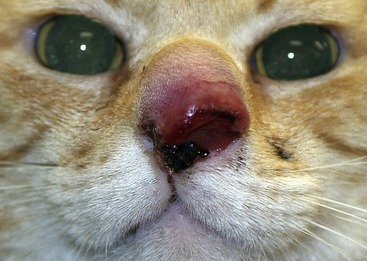
The Dilemmas Of Cytological Evaluation Of The Feline Lymph Node Veterian Key
When Lymph Nodes Are Enlarged Tufts Catnip
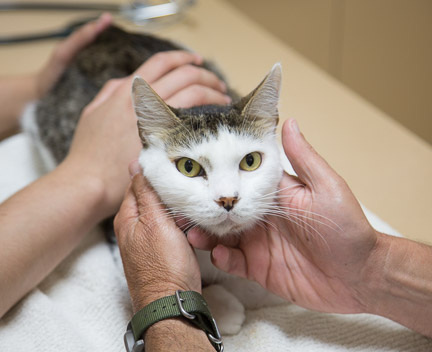
Lymph Node Disease In Animals Long Beach Animal Hospital
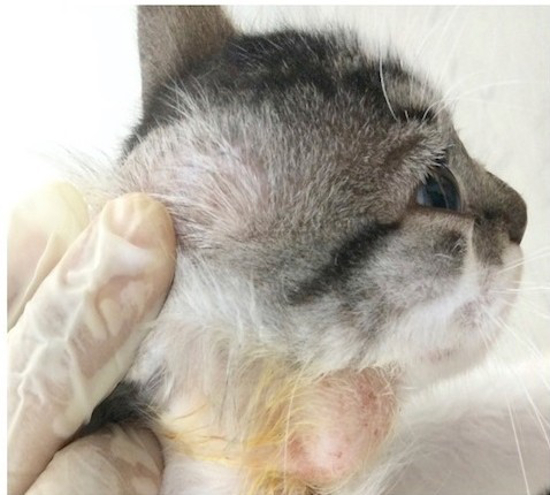
Clinical And Therapeutic Aspects Of Infection By Mycobacterium Bovis In Domestic Cat Case Report Wsava 2017 Congress Vin

How To Diagnose Feline Lymphosarcoma 10 Steps With Pictures

10 Symptoms Of Feline Immunodeficiency Virus Fiv

What You Need To Know About Your Cat S Lymph Nodes Catster
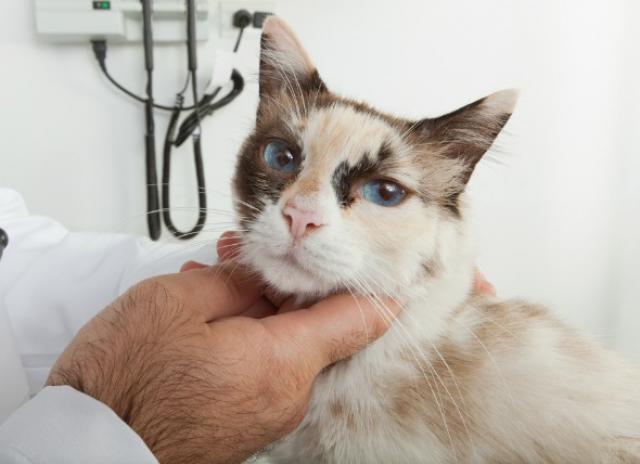
Lymph Node Inflammation Lymphadenitis In Cats Petmd

What Exactly Is Fiv And Why Is It So Dangerous For Cats

Enlarged Lymph Nodes Lymphadenopathy In Cats Causes Symptoms And Treatment All About Cats

Enlarged Submandibular Lymph Nodes Of The Patient Download Scientific Diagram
Chronic Swollen Lymph Node Mystery Thecatsite
Lymph Node Inflammation Lymphadenopathy In Cats Petmd

Lymphadenopathy In Cats Lymph Node Inflammation
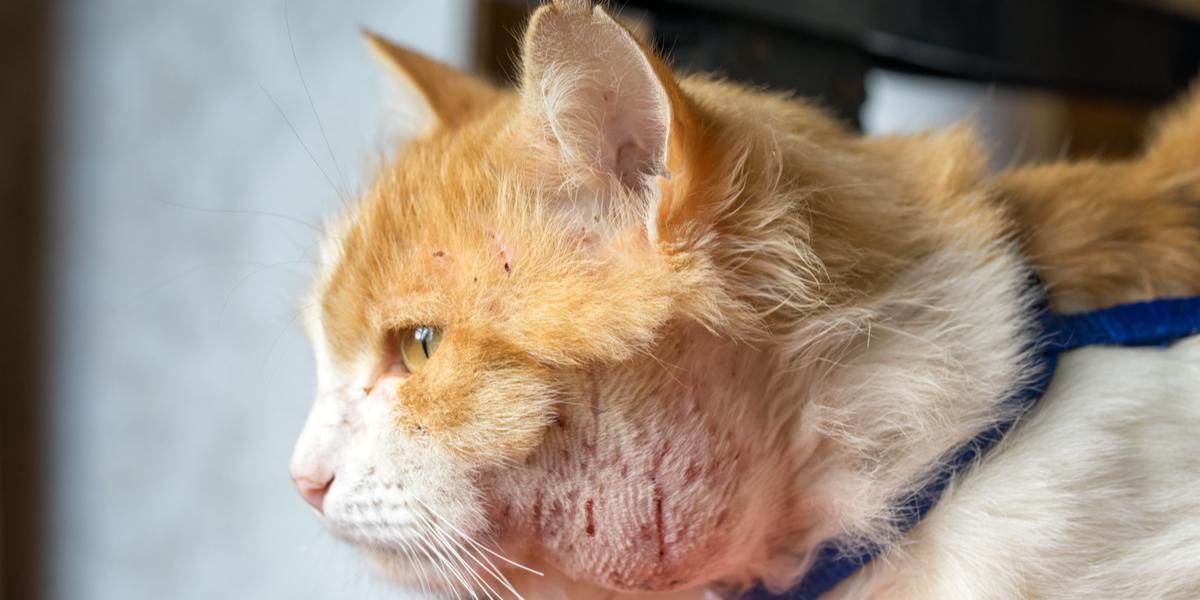
Enlarged Lymph Nodes Lymphadenopathy In Cats Causes Symptoms And Treatment All About Cats

How To Diagnose Feline Lymphosarcoma 10 Steps With Pictures

Lymph Nodes Jpg Thecatsite
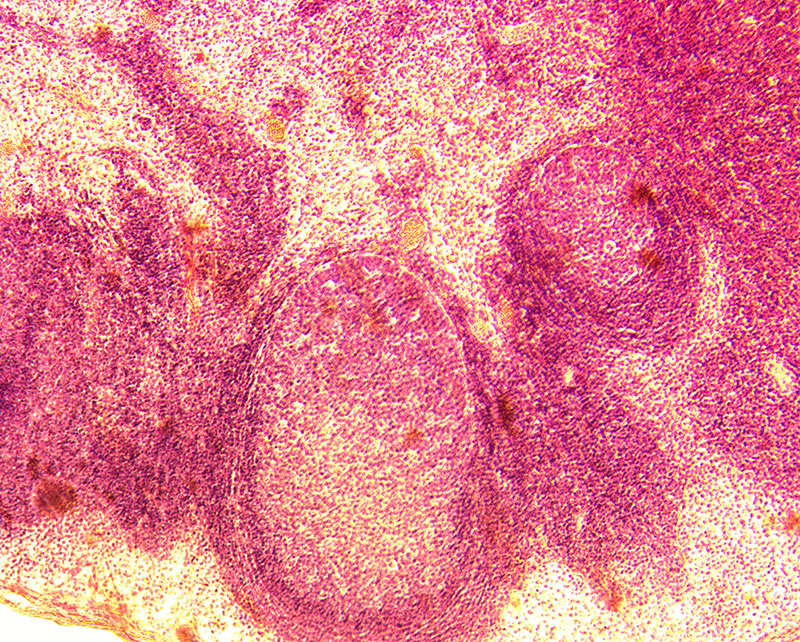
Lymphadenopathy In Cats Lymph Node Inflammation

How To Diagnose Feline Lymphosarcoma 10 Steps With Pictures